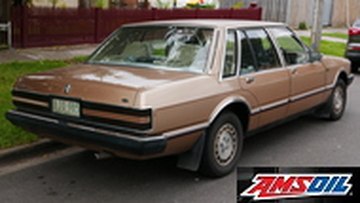
Lubrication Maintenance for the 1982 Ford LTD 5.0L
Maintaining a vehicle from the early 1980s requires a proactive approach to fluid management and mechanical inspection. For the 1982 Ford LTD equipped with the 5.0L engine, consistent attention to lubrication is a fundamental aspect of long-term ownership. Because older engines may exhibit different sealing characteristics or material behaviors compared to modern vehicles, understanding how to monitor and respond to changes in lubricant condition is essential for any owner.
Monitoring Fluid Integrity and Potential Leaks
One of the most effective ways to assess the health of an engine is through regular visual inspections. For a vehicle of this age, checking for signs of fluid seepage or leakage can provide early indications of where maintenance might be required. It is helpful to inspect the area around the engine block and various sealing surfaces for any evidence of wetness or residue that could indicate a failing gasket or seal.
When performing these checks, look for:
- Accumulations of oil on the exterior of the engine components.
- Evidence of seepage near the bottom of the engine or around the pan area.
- Discoloration on surrounding metal surfaces that may suggest a slow, long-term leak.
If you notice any unexpected fluid loss, it warrants further investigation to determine the source. Addressing minor seepage early can often prevent more significant issues later. Additionally, checking the level of the lubricant using the appropriate dipstick is a vital part of every routine service to ensure the engine remains properly lubricated during operation.
Observing Changes in Lubricant Condition
The appearance and behavior of engine oil can serve as an important diagnostic tool. While many factors can influence the state of the lubricant, certain changes should be noted and investigated. For instance, if the oil appears significantly darker than usual shortly after a change, or if it exhibits a gritty texture, this may indicate that contaminants are present within the system.
It is also important to remain observant of any unusual mechanical noises that occur during startup or while the engine is idling. While sounds can be caused by many different factors, changes in how an engine operates can sometimes be associated with the quality or level of the lubrication. Similarly, if you notice any unexpected exhaust smoke, this should be investigated, as it may indicate that oil is entering the combustion process.
Always remember that a single symptom does not provide a definitive diagnosis. A burning odor or an unusual sound can have multiple underlying causes, ranging from external leaks contacting hot surfaces to internal mechanical changes. Systematic observation and professional inspection are the best ways to manage these observations.
Prioritizing Maintenance Based on Vehicle Condition
For owners of a 1982 Ford LTD, maintenance priorities should ideally be driven by the actual condition of the vehicle rather than just its age. If you have inherited the vehicle without a complete service history, establishing a baseline is a practical first step. This involves performing a thorough inspection of all fluids and accessible mechanical components to understand the current state of the engine.
If maintenance records are available, reviewing them can help identify patterns in service or previous repairs. If no records exist, you may find it useful to begin a dedicated log for this vehicle, documenting every oil change, filter replacement, and inspection performed. This creates a historical baseline that makes it easier to spot deviations from normal operation over time.
When deciding where to focus your efforts, address any active leaks or warning signs first. Once the immediate integrity of the engine is confirmed, you can shift focus toward preventive measures, such as inspecting age-sensitive components like hoses or belts (if equipped) to ensure they remain in good working order.
Managing Aging Engine Components
As vehicles age, certain materials and components may require more frequent monitoring. For the 5.0L engine in this LTD, this includes a general awareness of how gaskets and seals are holding up. While many seals are designed for longevity, environmental factors and heat cycles over decades can affect their ability to maintain a perfect seal.
Beyond the lubrication system, other parts of the engine compartment should be part of a routine check. If equipped, inspect accessible drive belts for signs of cracking, glazing, or fraying. Similarly, if present, checking the condition of various hoses for brittleness or swelling can help prevent unexpected failures. Keeping an eye on electrical connections and ensuring they are clean and secure is also a prudent practice for maintaining reliable engine performance.
The Role of Consistent Lubrication Service
Regularly changing the engine oil and filter is the most critical task in preserving the internal components of the 5.0L engine. The lubricant performs several vital roles, including reducing friction between moving parts and helping to manage the heat generated during combustion. Over time, even high-quality lubricants can lose their effectiveness due to thermal breakdown or contamination from combustion byproducts.
Maintaining clean oil helps prevent the buildup of deposits that can interfere with engine operation. For older engines, ensuring that the lubricant remains fresh is a key part of managing the internal environment and protecting against the gradual accumulation of sludge. Following a consistent service schedule ensures that the engine always has access to the protective properties provided by new, uncontaminated fluid.
Practical Advice for Buying Engine Oil for your 1982 Ford LTD 5.0L
When it is time to replenish your lubricant, the most important step is to ensure the product you select matches the specific requirements of your engine. Rather than relying on general assumptions about older vehicles, always refer to the application-specific oil viscosity and requirements already displayed on this webpage.
As you shop for products, keep these practical tips in mind:
- Match the Application: Ensure the oil grade matches the information provided in the technical specifications above.
- Check the Label: Always verify that the product packaging clearly states the viscosity and meets current API service standards.
- Consider Formulations: Depending on your specific needs, you may choose between conventional, synthetic blend, or full synthetic oils. Some high-mileage oil formulations also contain additives intended for use in aging engines, including seal-conditioning additives.
- Verify Quality: Look for reputable brands that clearly list their specifications to ensure you are getting a product that is compatible with your 5.0L engine.
By matching the lubricant to the vehicle-specific information provided on this page, you can maintain the proper lubrication levels and characteristics necessary for your Ford LTD.